
Light · Concrete · Architecture
Light Transmitting Concrete Price: How Much Does Translucent Concrete Cost?
The price of light transmitting concrete depends heavily on the individual project. The panel itself is only one factor. Fibre density, panel size, surface finish, LED backlighting, fixing systems and installation all influence the final cost. As a general guide, translucent concrete belongs to the premium custom-material segment and is priced on a project-by-project basis.
For façades, reception areas, counters, wall cladding or vanity tops, it is therefore rarely useful to consider the price per square metre in isolation. The more important questions are: What lighting effect should be created, how much of the surface actually needs to transmit light, and which technical solution provides the best result within the available budget?
At LUCEM, we develop the concrete material, lighting solution and fixing concept as one integrated system. This makes the total cost easier to control than planning each component separately.

Budget guidance
Light Transmitting Concrete Price: Key Cost Guidelines
A standard price list for light transmitting concrete would usually be misleading. Every project differs in surface area, illuminated proportion, material option, substructure, LED technology and installation requirements. Nevertheless, indicative figures can help establish a realistic budget at an early stage.
| Application | Typical guideline | Main cost factors |
|---|---|---|
| LUCEM panels / light transmitting concrete surfaces | approx. €600–1,500 per m², depending on the material option and specification | Fibre density, format, custom cuts, surface finish and proportion of illuminated panels |
| Light transmitting concrete façade | approx. €1,000–2,000 per m² as an initial project guideline | Exterior requirements, fixing system, LEDs, substructure, planning and installation |
| Reception counter | approx. €15,000–30,000 for a counter with around three workstations | Geometry, number of panels, lighting, furniture integration and technical connections |
| Vanity top | from approx. €1,000 as an initial guideline | Custom fabrication, cut-outs, surface finish, lighting and installation conditions |
| Translucent natural stone for comparison | approx. €500–2,000 per m² | Light transmission, stone quality, origin, fabrication, format and installation |
| LUCEM PURE, non-translucent | approx. €100–150 per m² as an initial guideline | Project-specific fabrication, format, custom cuts, surface finish and edge treatment |
| Installed glass façade for comparison | approx. €800–1,000 per m² | System type, structural requirements, glass build-up, substructure and installation |
These figures are intended for the initial budgeting phase and do not replace a project quotation. The €500–2,000 per m² range applies to special translucent natural stones that can be backlit; it is not comparable with ordinary natural stone. For non-translucent surfaces, LUCEM PURE can be a suitable alternative at approximately €100–150 per m². Standard panels from DIY stores may cost less, but LUCEM PURE is custom-made to suit the format, surface finish and technical requirements of the individual project.
A realistic cost estimate for your project
Planning a wall surface, counter or façade? For an initial assessment, details such as the area, indoor or outdoor use, desired lighting effect and budget range are often sufficient. We will review which specification makes sense for your project.

Material and precision
Why Light Transmitting Concrete Is Not a Standard Product
Light transmitting concrete, also referred to as translucent concrete, light-conducting concrete or fibre-optic concrete, combines a mineral concrete surface with optical fibres.
The surface remains solid, tactile and premium in appearance. Light is guided through the fibres and becomes visible on the finished face as an illuminated area, pattern, point effect or graphic motif.
The complexity lies in combining the material, precision manufacturing and lighting technology. The denser, finer and more uniform the fibre arrangement, the greater the production effort. Custom cuts, edges, drill holes, anchor points, LED systems and integration into the building also affect the cost.
For project planning, this means that the price per square metre is only one part of the decision. Defining early which surfaces genuinely need to transmit light and which can be completed with matching non-translucent panels allows the budget to be used much more efficiently.
Technical background: BauNetz Wissen · beton.org
Cost structure
Which Factors Affect Light Transmitting Concrete Costs?
Fibre density and lighting effect
A very fine and uniform translucent effect requires more fibres and greater manufacturing precision. A point-based, star-like effect uses considerably fewer fibres and creates a stronger accent. For large surfaces, selected illuminated zones can be more economical and architecturally more effective.
Material option
LUCCON, STARLIGHT, LABEL and PURE create different lighting effects. The price can therefore be managed not only through the surface area, but also through the right combination of visual impact and material.
Proportion of illuminated surface
A surface does not always need to be illuminated across one hundred percent of its area. Selected zones, logos or light bands can create the intended effect, while non-translucent panels in the same colour and finish complete the overall design more economically.
LED backlighting and controls
Static warm-white backlighting is generally more economical than RGBW controls, dynamic scenes, display functions or pixel-level control. Planning the lighting early helps prevent costly adjustments later in the project.
Fixing system and substructure
For façades, anchors, substructures, weather resistance, structural loads, geometry and maintenance access directly affect the price. Early technical coordination provides the greatest flexibility for optimising these elements.
Custom cuts and integration
Standard formats are more economical than numerous custom cuts. Edges, openings, fittings, sockets, joint patterns, logos, three-dimensional reliefs and custom colours should be used where they deliver the greatest design value.
Applications
Light Transmitting Concrete Cost Examples by Application
Different applications involve different cost components. Surface area, geometry, lighting technology and architectural integration therefore need to be considered together.
Light transmitting concrete façade
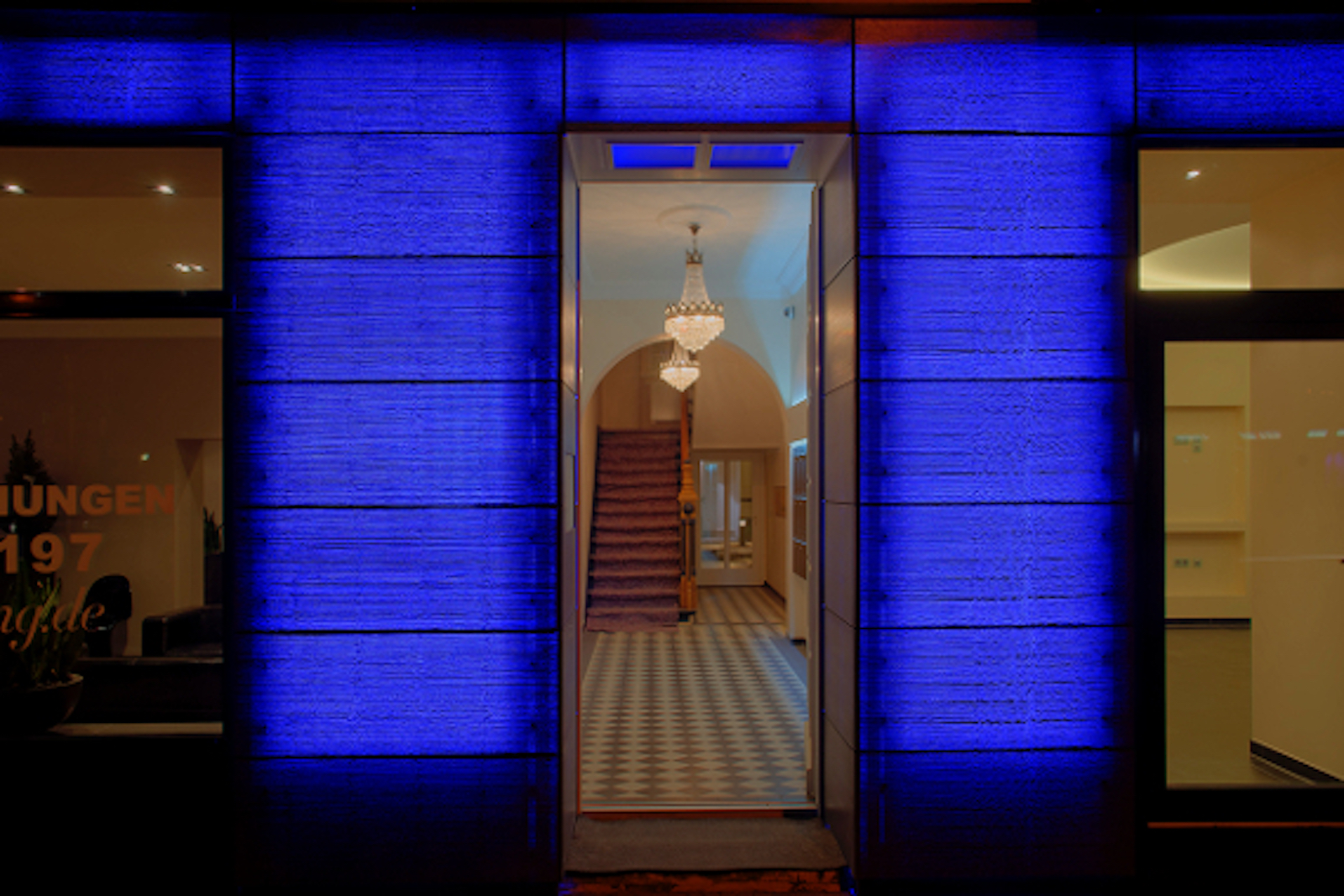
The cost of a light transmitting concrete façade includes the panels, fixing system, LED technology, substructure, planning and installation. Smaller façades often carry a higher proportion of fixed project costs, while larger surfaces can benefit from repeatable details. LUCEM’s project experience ranges from approximately 20 m² to around 500 m².

Reception counters and bars
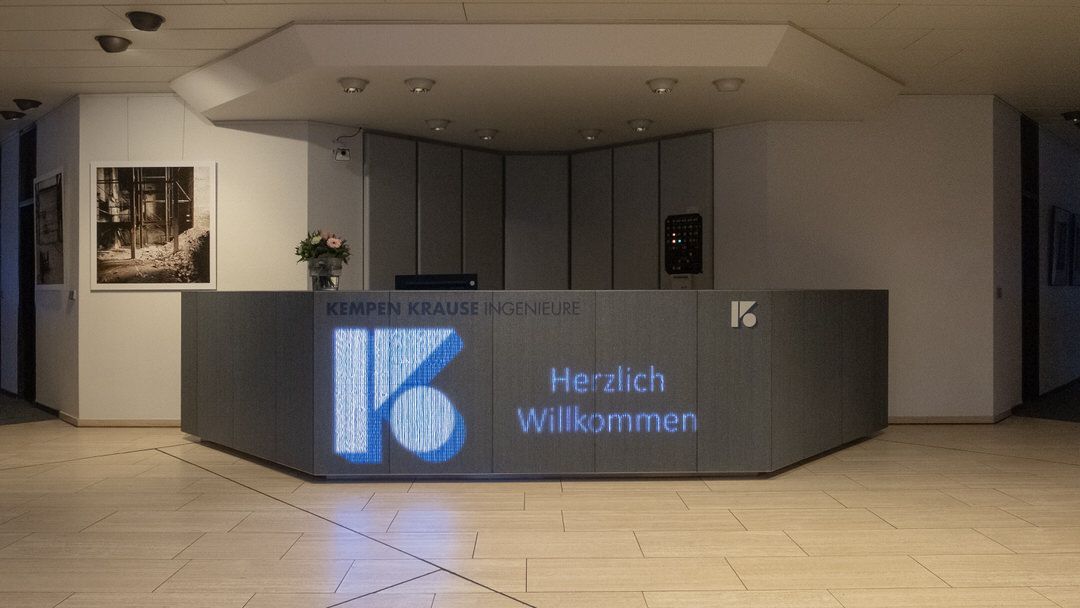
A reception counter made from light transmitting concrete is less about the price per square metre and more about the complete furniture solution. Shape, rear construction, workstations, cable routing, LED access, corners, edges and integration into the interior fit-out determine the cost. Even a selectively backlit front or logo area can create a strong visual effect.
Vanity tops and wellness areas
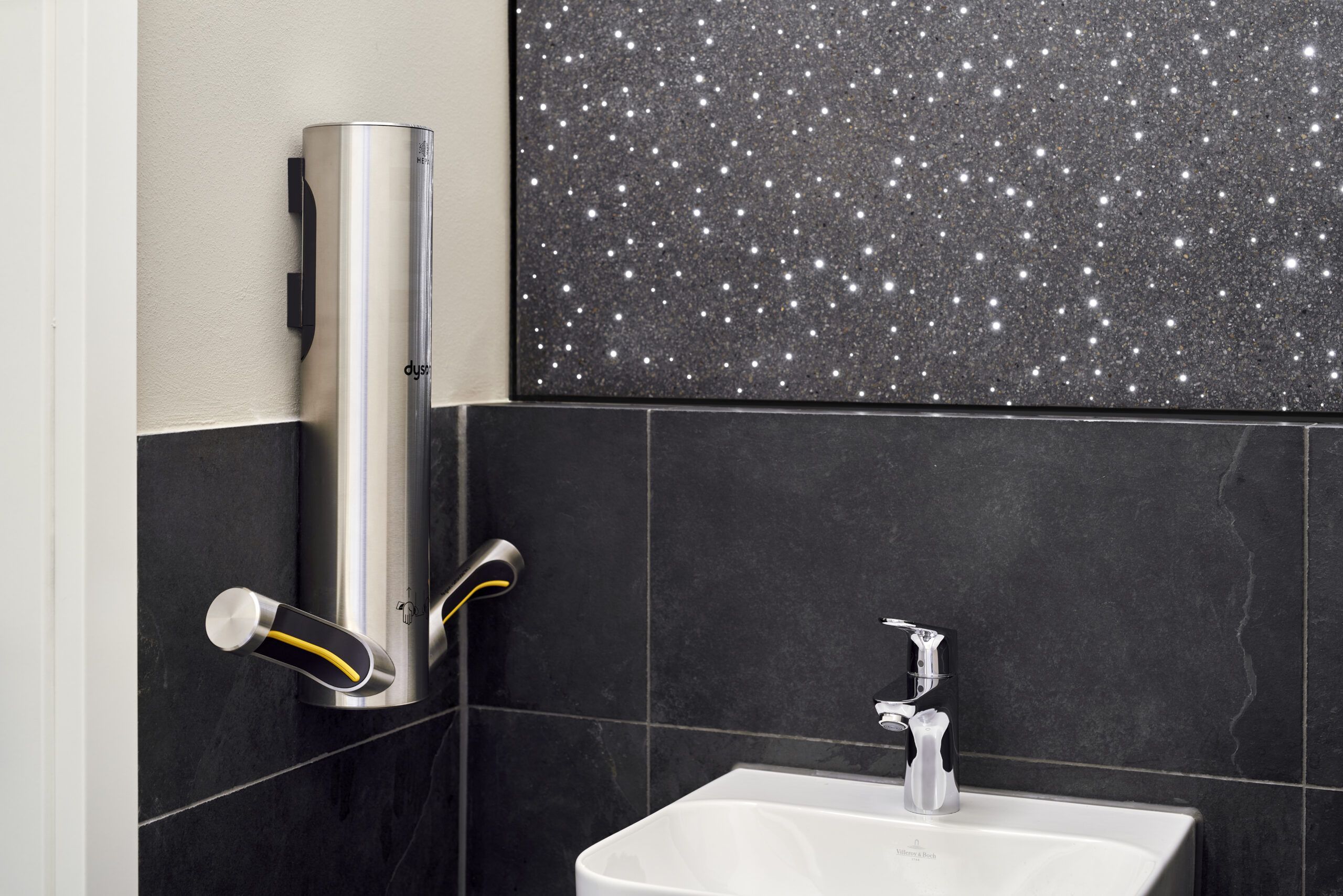
Vanity tops, shower walls, bathroom cladding and spa surfaces benefit from the combination of a solid mineral surface and calm, integrated light. In addition to the format, cut-outs and illumination, cleaning, moisture, colour temperature and maintenance access are important planning factors.
Explore light transmitting concrete for spa and wellness spaces
Individual panels and accent surfaces
Projects with a smaller budget can use individual panels, illuminated modules or selected sections. A limited illuminated surface can have a particularly strong effect when it is positioned correctly within the architecture: behind a reception desk, as a logo, in a wall recess, as a light band or as a point of orientation outdoors.
Surfaces
Material Options and Budget: LUCCON, STARLIGHT, PURE and LABEL
Not every project requires the same material option. Choosing the right panel is therefore a direct way to control the budget.
LUCCON
Very fine, uniform translucency with high fibre density · premium solution
 STARLIGHT
Point-based, star-like effect with fewer fibres · visually striking and often more economical
STARLIGHT
Point-based, star-like effect with fewer fibres · visually striking and often more economical
 PURE
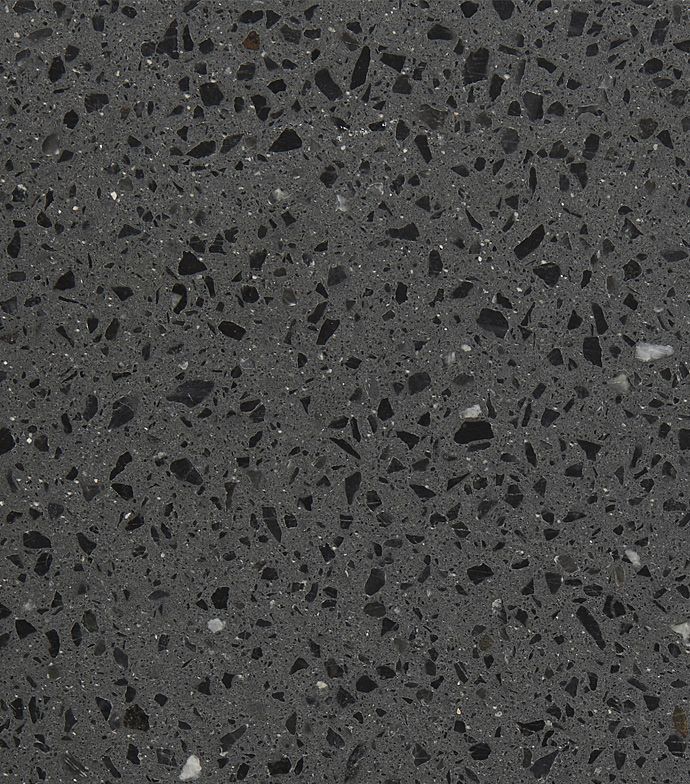
Matching concrete appearance without illumination · economical complement for non-lit surfaces
PURE
Matching concrete appearance without illumination · economical complement for non-lit surfaces
Suitable when fine translucency, shadow effects and a highly uniform appearance are the main priorities.
Suitable for accents, sparkling surfaces, floors, walls and outdoor elements with a point-based lighting effect.
Combines illuminated and non-illuminated surfaces in the same concrete appearance without equipping every panel with fibres and lighting.
Budget planning
How to Control Light Transmitting Concrete Costs
A successful light transmitting concrete project does not begin with the most expensive specification. It begins with achieving the strongest visual effect for the available budget.
This does not create a compromise in the sense of simply making the project cheaper. It creates a precise budget architecture: premium elements are used where they achieve the greatest impact, while quieter complementary surfaces keep the overall project economical.

Impact and application
When Is Light Transmitting Concrete Worth the Cost?
Light transmitting concrete is worthwhile when a surface needs to do more than provide cladding.
It is ideal for spaces where material, light and brand impact come together: reception areas, façades, hotels, spas, showrooms, retail environments and private interiors. Our overview of translucent concrete applications provides an initial guide.
The price is higher than that of many standard materials. In return, the surface appears as premium concrete or engineered stone during the day and reveals a second visual layer when illuminated. This dual effect makes light transmitting concrete particularly distinctive in architecture and interior design.
For surfaces that require no lighting effect, translucent concrete is not always the most economical choice. For projects focused on atmosphere, recognition, orientation or visual presentation, however, it can be highly effective because the material and the lighting are designed as one solution.
Discuss your projectper m² as a typical guideline for LUCEM solutions, depending on the material option, illuminated proportion and specification.
Our assessment
Light Transmitting Concrete Is a Premium Architectural and Design Material
Special translucent natural stones that can be backlit often cost approximately €500–2,000 per m². This price cannot be compared with ordinary natural stone. For non-translucent surfaces, LUCEM PURE provides a custom-made solution in the region of €100–150 per m². Standard panels from DIY stores can be less expensive, but they are not individually adapted to the required format, surface finish and project conditions. Installed glass façades often provide a rough comparison at approximately €800–1,000 per m², while light transmitting concrete façades tend to cost approximately €1,000–2,000 per m² depending on the project.
For reception counters, approximately €15,000–30,000 is a realistic guideline for a unit with around three workstations. A vanity top can start at approximately €1,000. Our façade experience ranges from smaller surfaces of around 20 m² to large projects of approximately 500 m².
Important: These are indicative figures, not fixed package prices. We adapt the solution to the available budget and desired visual effect. LUCCON uses a high fibre density for maximum fineness. STARLIGHT uses considerably fewer fibres to create a point-based effect. PURE complements illuminated areas without requiring every panel to transmit light. The illuminated proportion, LED technology and anchors can also be adapted to the project.

Frequently asked questions
FAQ About Light Transmitting Concrete Prices and Costs
How much does light transmitting concrete cost per square metre?
The price depends on the material option, fibre density, lighting technology, fixing system, format and installation. As a general guide, LUCEM panels are positioned within the premium custom-material segment. Façade projects usually cost more than straightforward interior panels because the substructure, exterior performance requirements and installation must also be included.
Why is there no simple light transmitting concrete price list?
Light transmitting concrete is almost always specified for an individual project. Two surfaces of the same size can have very different costs when the fibre density, LED technology, fixing system, custom cuts or installation requirements differ. A project-specific calculation is therefore more reliable than a fixed price list.
Is translucent concrete more expensive than conventional concrete?
Yes. Translucent concrete is not conventional structural concrete. It is a precision-manufactured concrete panel containing optical fibres and, in many applications, additional LED technology. The manufacturing, fabrication and planning requirements are considerably more complex.
Can light transmitting concrete be planned more economically?
Yes. Costs can be controlled by illuminating only selected surfaces, combining the design with PURE panels, using simpler LED technology or simplifying the fixing system for the specific application. Early planning is the most important factor.
Which material option suits which budget?
LUCCON is suitable for very fine and uniform lighting effects. STARLIGHT is a strong choice for point-based accents. PURE complements illuminated panels with the same concrete appearance. A combination of material options is often the best solution for balancing visual impact and budget.
How much does a light transmitting concrete façade cost?
A façade must always be priced for the specific project. In addition to the panels, the calculation includes the substructure, anchors, LED technology, exterior performance requirements, planning and installation. Façades therefore generally cost more than simple interior applications.
Is light transmitting concrete suitable for small projects?
Yes. Small surfaces, individual panels, vanity tops, illuminated modules or reception elements can all be effective applications. For smaller projects in particular, it is important to prioritise the visible feature areas clearly.
How can I obtain a realistic cost estimate?
Book a consultation and send us the surface area, application, desired lighting effect, budget range and any available sketches or plans. We can then assess which material option, lighting technology and fixing system are suitable for your project. The initial consultation includes a specific first assessment and a free project sketch or concept.
Free project concept
Which Lighting Effect Fits Your Budget?
Send us the surface area, application, desired effect and any initial sketches or plans. We will assess whether LUCCON, STARLIGHT, PURE or a combination provides the most suitable solution.
Book a consultation and request a concept